Peter
The Science of Feathers
They are what most makes a bird a bird. New research is showing how they formed and how they help birds survive. An overview for Audubon.
Pecking Order
Birds’ beaks look hard and unvarying. But they’re not. An essay on the wondrous malleability of birds’ business end, from Audubon.

What Has Passed and What Remains at Flagstaff’s Pioneer Museum
Flagstaff’s Pioneer Museum hosted a large multimedia exhibit based on our Ecological Oral Histories project. It was a change to see and hear the stories of ranchers, Native farmers, foresters, and other elders who’ve watched the land for decades.

The World’s Best Bad Idea
Almost everybody agrees that pumping vast quantities of carbon dioxide into the oceans is a terrible way to deal with climate change. But our current inaction on climate change means that future generations may well have to make some terrible choices. A cover story from Miller-McCune that was underwritten by a 2010 Abe Journalism Fellowship.

What Has Passed and What Remains: The Book
The edited recollections of northern Arizona elders musing about environmental change. I conducted some of the interviews; others were completed by my students at Northern Arizona University. With photos by Dan Boone and Ryan Belnap.
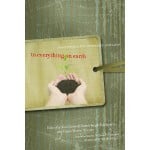
Working the Stone
Edited by Kurt Caswell, To Everything on Earth is an anthology that grew out of a terrific little nature-writing workshop sponsored by Texas Tech University. “Working the Stone” is my contribution.
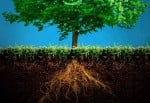
The Dirt on Climate Change
Could soil engineered specifically to maximize carbon storage dampen some effects of climate change? Very possibly. A detailed report for Miller-McCune.
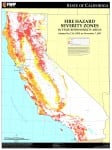
California prepares for the next burn
It’s on its way again . . . always. In a fire-prone region, can better mapping tools help municipal officials and firefighters better plan how to avoid or fight wildfires? Probably—but some homeowners aren’t happy to be told they live in harm’s way. Read more in the High Country News.

Earth Notes
Since 2001, Earth Notes has presented stories of people and place each week to public radio listeners in northern Arizona and New Mexico. Each week’s show is less than two minutes long, but it’s a capsule view of something that makes the Colorado Plateau region such a great place to live.
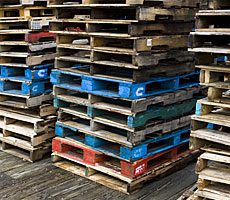
Transmutations
Everything that’s discarded feeds something else, at least that’s how it’s supposed to work. A look at the circular economy from a backyard overlooking the tracks.
Flight Plan
A report for Audubon shows how scientists are trying to understand one of nature’s most amazing spectacles: how birds flock. Don’t miss the linked slide show with spectacular photos by Richard Barnes.
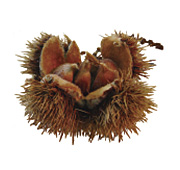
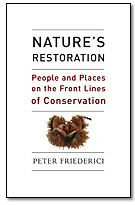
Nature’s Restoration
From the Hawaiian islands to Appalachia’s forests, Nature’s Restoration relates the passion of ordinary citizens who are changing the way we think about nature. Through detailed reporting and numerous interviews, I travel the front lines of restoration to show how this growing movement shapes places and inspires people.
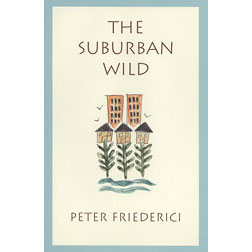
The Suburban Wild
Set in the North Shore suburbs of Chicago, amid traffic, pollution, and ever-spreading neighborhoods, these personal essays explore the importance of our connection with the natural world, history, and memory. My first single-author book, recently reissued in paperback.

Earth Notes: Exploring the Southwest’s Canyon Country from the Airwaves
A collection, published by the Grand Canyon Association, of greatest hits from KNAU’s Earth Notes show. Beautifully illustrated by Diane Iverson, and with contributions by eleven different writers. This slim volume is perfectly designed to fit into a daypack!
A New Plateau
A collaboration between Renewing the Countryside and Northern Arizona University’s Center for Sustainable Environments, this beautifully illustrated book showcases the work dozens of sustainability pioneers are doing on the Colorado Plateau.
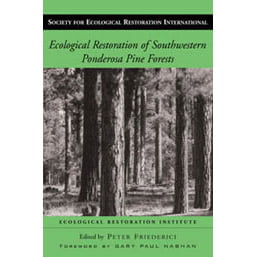
Ecological Restoration of Southwestern Ponderosa Pine Forests
“The big green book,” as it’s become known to foresters, is a compendium of what’s known on one of the frontiers of ecological restoration. Not light reading, but necessary for those who seek to restore to health some of the millions of acres of ponderosa pine forests that cloak the southwestern uplands.
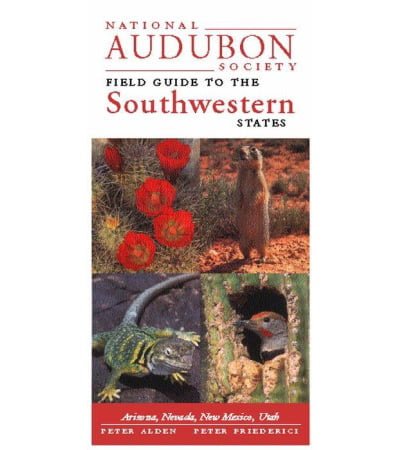
National Audubon Society Field Guide to the Southwestern States
Sized to fit into a daypack or jacket pocket, this guide to southwestern animals, plants, places, and more is suited for residents and visitors alike. It’s the perfect generalist’s guide to my favorite region.

Ecological Oral Histories
“If stories come to you, care for them. And learn to give them away when they are needed. Sometimes a person needs a story more than food to stay alive. That is why we put these stories in each other’s memory. This is how people care for themselves.”
—Barry Lopez

“Facing the Yuck Factor” wins reporting award from the Society of Environmental Journalists
How has the West embraced water recycling? Very (gulp) cautiously.

Blowing in the Wind
Worlds of their own, full of import, seeds are, in these astonishing images by Rob Kesseler, not unlike some new planet glimpsed through the bridge windows in a sci-fi flick. The story, with a beautiful slide show, appeared in Audubon.